
Anti-Surveillance Training
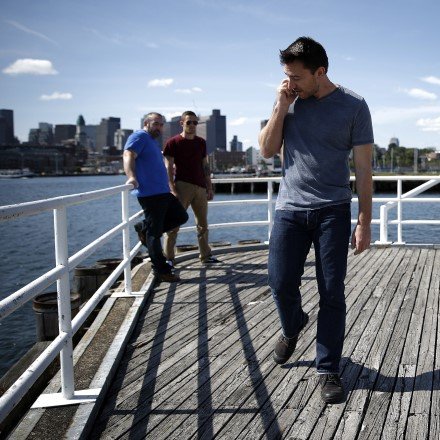 Anti-surveillance and counter-surveillance are related but distinct concepts in the world of personal safety and security. Understanding the difference between them
helps individuals and organizations better protect themselves against those who may wish to monitor, follow, or exploit them. Both approaches involve recognizing
when one is under observation and responding to that awareness, but they do so in fundamentally different ways. Where counter-surveillance seeks to identify, track, and
sometimes confront those conducting surveillance, anti-surveillance focuses on denial, prevention, and disruption e.g., making oneself harder to observe or follow in the
first place. From the perspective of personal safety, anti-surveillance is usually the more effective and accessible option, because it avoids escalation and reduces
exposure to risk.
Anti-surveillance and counter-surveillance are related but distinct concepts in the world of personal safety and security. Understanding the difference between them
helps individuals and organizations better protect themselves against those who may wish to monitor, follow, or exploit them. Both approaches involve recognizing
when one is under observation and responding to that awareness, but they do so in fundamentally different ways. Where counter-surveillance seeks to identify, track, and
sometimes confront those conducting surveillance, anti-surveillance focuses on denial, prevention, and disruption e.g., making oneself harder to observe or follow in the
first place. From the perspective of personal safety, anti-surveillance is usually the more effective and accessible option, because it avoids escalation and reduces
exposure to risk.
Surveillance is a process that criminals, stalkers, and even terrorists use in the planning stages of their crimes. Before carrying out an attack or a robbery, offenders often study their targets, noting routines, vulnerabilities, and behaviors. This is sometimes referred to as the “pre-attack cycle,” and recognizing it can provide valuable opportunities to interrupt the offender’s plan. Counter-surveillance is built around spotting this hostile surveillance. It requires the individual to notice unusual patterns, such as seeing the same person repeatedly on different routes, unusual interest from strangers, or vehicles parked in suspicious positions. The next step in counter-surveillance might involve confirming suspicions by changing routes, circling back, or conducting deliberate checks to see if the same observer is still present. It may even involve recording, confronting, or reporting suspected surveillance teams. This makes counter-surveillance an active, investigative process that requires confidence, training, and often teamwork.
Anti-surveillance, by contrast, does not depend on identifying who is watching but on reducing the possibility of being watched in the first place. It is based on blending in, being unpredictable, and limiting the information that potential aggressors can collect. Instead of trying to catch or expose surveillance, anti-surveillance makes surveillance difficult and ineffective. This may involve varying daily routines, using different routes to and from work, changing the times of activities, and avoiding patterns that can be easily tracked. It also includes using anonymity in public spaces, such as not standing out unnecessarily, keeping a low profile on social media, and limiting information about personal movements. Anti-surveillance is less about detecting the hostile actor and more about denying them useful data.
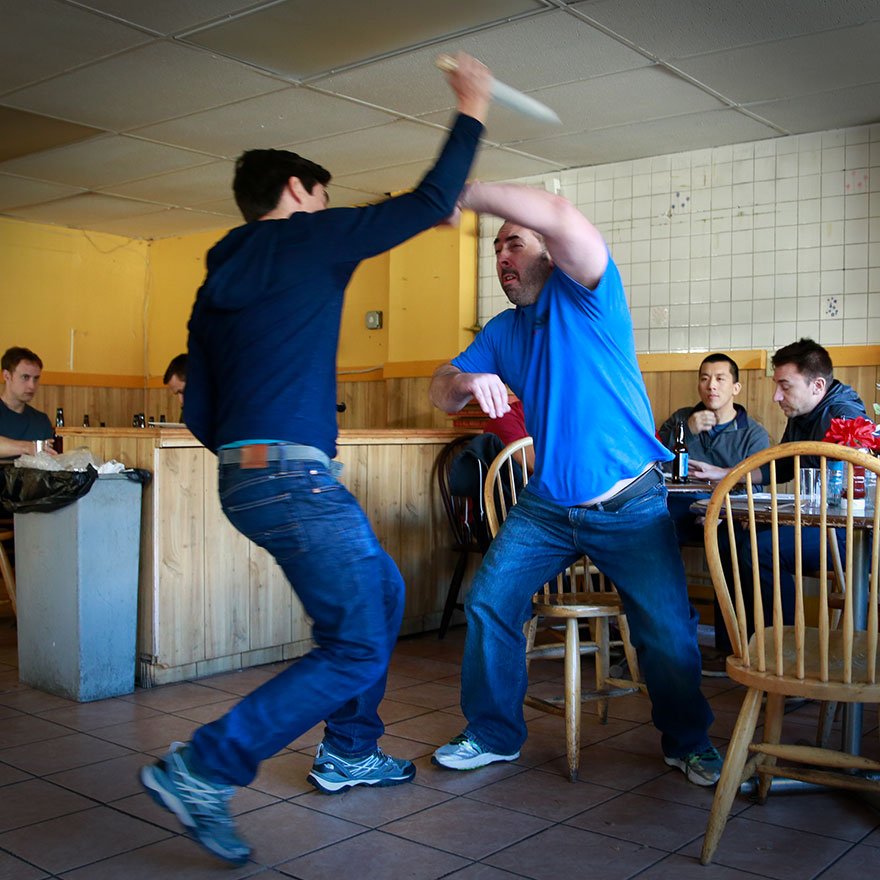 For personal safety, this distinction is critical. Most people do not have the training or resources to successfully identify and confront surveillance operatives,
particularly if the surveillance is professional or persistent. Attempting counter-surveillance without proper expertise can create danger, especially if it signals
to the watcher that their presence has been detected. In some cases, this can accelerate an attack, escalate confrontation, or simply cause unnecessary stress.
Anti-surveillance avoids this by focusing on prevention rather than confrontation. For example, someone concerned about being followed home from work may practice
anti-surveillance by varying their travel routine, using busy routes with more witnesses, and avoiding predictable stopping points. They may also choose clothing and
behaviors that allow them to blend into the background rather than stand out as a recognizable figure.
For personal safety, this distinction is critical. Most people do not have the training or resources to successfully identify and confront surveillance operatives,
particularly if the surveillance is professional or persistent. Attempting counter-surveillance without proper expertise can create danger, especially if it signals
to the watcher that their presence has been detected. In some cases, this can accelerate an attack, escalate confrontation, or simply cause unnecessary stress.
Anti-surveillance avoids this by focusing on prevention rather than confrontation. For example, someone concerned about being followed home from work may practice
anti-surveillance by varying their travel routine, using busy routes with more witnesses, and avoiding predictable stopping points. They may also choose clothing and
behaviors that allow them to blend into the background rather than stand out as a recognizable figure.
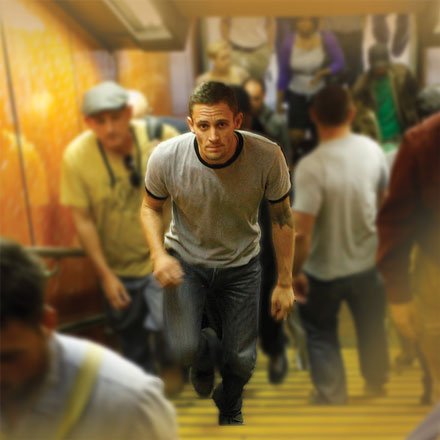 The psychological component of anti-surveillance is also important. By adopting habits of unpredictability and discretion, individuals feel more in control of their safety
and less anxious about potential threats. It promotes a mindset of proactive protection rather than reactive confrontation. Counter-surveillance, while valuable in the right
context, can increase anxiety for civilians, as it often requires constantly scanning for potential watchers and assuming the role of investigator. Anti-surveillance, in
contrast, allows for a calmer form of vigilance that integrates seamlessly into daily life.
The psychological component of anti-surveillance is also important. By adopting habits of unpredictability and discretion, individuals feel more in control of their safety
and less anxious about potential threats. It promotes a mindset of proactive protection rather than reactive confrontation. Counter-surveillance, while valuable in the right
context, can increase anxiety for civilians, as it often requires constantly scanning for potential watchers and assuming the role of investigator. Anti-surveillance, in
contrast, allows for a calmer form of vigilance that integrates seamlessly into daily life.
Ultimately, both anti-surveillance and counter-surveillance share the same objective: to deny offenders the advantage of information. But they differ in method. Counter-surveillance tries to spot and sometimes neutralize those who are watching, while anti-surveillance tries to prevent useful observation altogether. For personal safety, anti-surveillance offers the most accessible path: it emphasizes avoidance, unpredictability, and discretion. By breaking routines, blending in, and limiting exposure—both on the street and online—individuals make themselves more difficult to study, reducing the likelihood that they will be selected as targets. For most people, this is the essence of everyday security: not to confront threats directly, but to manage one’s life in a way that denies potential attackers the chance to act effectively.