
Krav Maga & Personal Safety
 Personal safety training fundamentally transforms how individuals predict, avoid and navigate potentially dangerous situations. By creating multiple layers of protection that significantly
enhance a person’s physical safety it is possible to avoid many potentially dangerous situations. The benefits of such training extend far beyond learning self-defense training which may
teach somebody how to throw an effective punch and/or escape a grab etc. By teaching psychological preparation, situational awareness, and strategic thinking it is possible to reduce the
vulnerabilities that see people exposed to violence and harm.
Personal safety training fundamentally transforms how individuals predict, avoid and navigate potentially dangerous situations. By creating multiple layers of protection that significantly
enhance a person’s physical safety it is possible to avoid many potentially dangerous situations. The benefits of such training extend far beyond learning self-defense training which may
teach somebody how to throw an effective punch and/or escape a grab etc. By teaching psychological preparation, situational awareness, and strategic thinking it is possible to reduce the
vulnerabilities that see people exposed to violence and harm.
The foundation of effective personal safety training lies in developing situational awareness, which is often called the most important self-defense skill. A heightened natural/instinctive awareness often enables individuals to identify potential threats before they escalate into physical confrontations. Trained individuals learn to read environmental cues, recognize suspicious behavior patterns, and identify escape routes without having to consciously think about them. The constant – subconscious - scanning of surroundings creates an early warning system that allows for proactive responses rather than reactive scrambling when danger emerges. The ability to spot trouble early often is the difference between avoiding an incident entirely and becoming trapped in a dangerous situation that necessitates a physical solution etc.
Through mental and physical conditioning safety training that directly impacts survival outcomes can be developed. Regular training whilst improving cardiovascular fitness, muscular strength, and flexibility, which are essential to dealing with high-stress situations also teaches and develops awareness and avoidance knowledge/skills. This also means that when individuals know their bodies can respond effectively under pressure, they make better decisions and execute techniques more successfully.
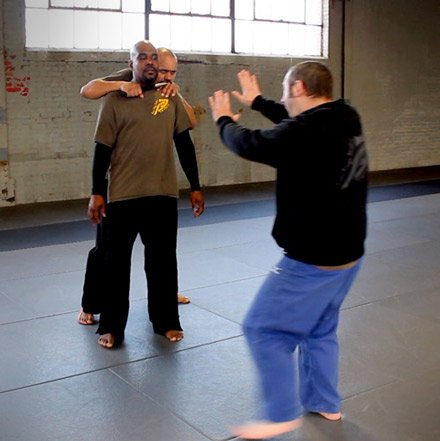 Personal safety training also addresses the psychological aspects of violence, preparing individuals mentally for the realities of dangerous encounters. This mental conditioning proves invaluable
because most people freeze or panic when confronted with unexpected aggression. Training teaches students to manage adrenaline, think clearly under stress, and maintain tactical awareness during
chaotic situations. This psychological preparation may also include visualization exercises, stress inoculation drills, and scenario-based training that simulates real-world conditions. This
mental rehearsal creates neural pathways that enable faster, more effective responses when actual threats emerge.
Personal safety training also addresses the psychological aspects of violence, preparing individuals mentally for the realities of dangerous encounters. This mental conditioning proves invaluable
because most people freeze or panic when confronted with unexpected aggression. Training teaches students to manage adrenaline, think clearly under stress, and maintain tactical awareness during
chaotic situations. This psychological preparation may also include visualization exercises, stress inoculation drills, and scenario-based training that simulates real-world conditions. This
mental rehearsal creates neural pathways that enable faster, more effective responses when actual threats emerge.
The development of defensive skills provides individuals with practical tools for protecting themselves when avoidance becomes impossible. Effective training emphasizes simple, gross motor skills that remain functional under stress, focusing on techniques that can neutralize threats quickly and create opportunities for escape. These physical skills include striking techniques, defensive positioning, and methods for breaking free from various grabs and holds. However, the true value lies not in the techniques themselves but in the confidence and composure they provide during confrontations.
Personal safety training significantly improves situational awareness and decision-making capabilities in dangerous situations, along with a working knowledge of how violent offenders operate. Students learn to assess threats rapidly, evaluate available options, and choose appropriate responses based on the specific circumstances they face. This decision-making process includes understanding when to comply with demands, when to flee, when to seek help, and when physical resistance becomes necessary. Training provides frameworks for making these critical choices under pressure, reducing the likelihood of poor decisions that escalate danger or miss opportunities for escape.
Communication skills represent an often overlooked but vital aspect of personal safety that training addresses comprehensively. Students learn how to project confidence through body language, use verbal de-escalation techniques, and communicate effectively with law enforcement or emergency responders. These skills prove particularly valuable in preventing situations from escalating to physical violence, as many potential attackers seek easy victims who appear vulnerable or unprepared. The ability to communicate assertively while maintaining calm composure often deters predators who prefer targets unlikely to resist effectively.
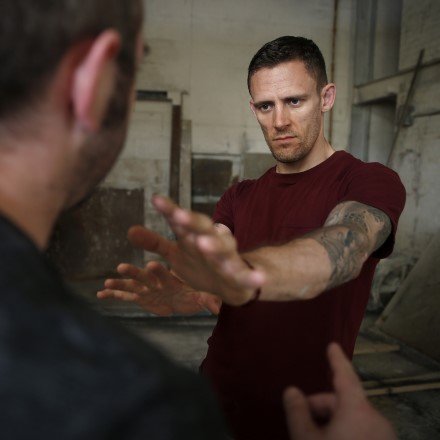 Legal awareness forms another important component of comprehensive safety training, teaching individuals about their rights and responsibilities when using force for self-protection. This knowledge
helps prevent legal complications that can arise from defensive actions, ensuring that responses remain proportionate and legally justified. Understanding these boundaries provides confidence to
act decisively when necessary while avoiding excessive force that could create additional problems.
Legal awareness forms another important component of comprehensive safety training, teaching individuals about their rights and responsibilities when using force for self-protection. This knowledge
helps prevent legal complications that can arise from defensive actions, ensuring that responses remain proportionate and legally justified. Understanding these boundaries provides confidence to
act decisively when necessary while avoiding excessive force that could create additional problems.
The cumulative effect of personal safety training creates a protective mindset that permeates daily life, making individuals less attractive targets for criminals and better prepared to handle unexpected dangers. This transformation extends beyond physical techniques to encompass improved judgment, enhanced awareness, and increased confidence that collectively reduce vulnerability to various threats. The investment in personal safety training yields dividends through improved quality of life, reduced anxiety about personal security, and the knowledge that one possesses the tools necessary to protect oneself and loved ones when circumstances demand action.
All of this is part of the Krav Maga Yashir approach to dealing with violence and is taught as part of our regular Krav Maga classes in Boston. If you are looking to take part in any of our training offerings one of the best places to start is one of our introductory/beginner Krav Maga classes.
The cost of the class is $25, and it is held at the following address:
Krav Maga Yashir Boston
165-E New Boston Street
Woburn, MA 01801